Últimos vidéos
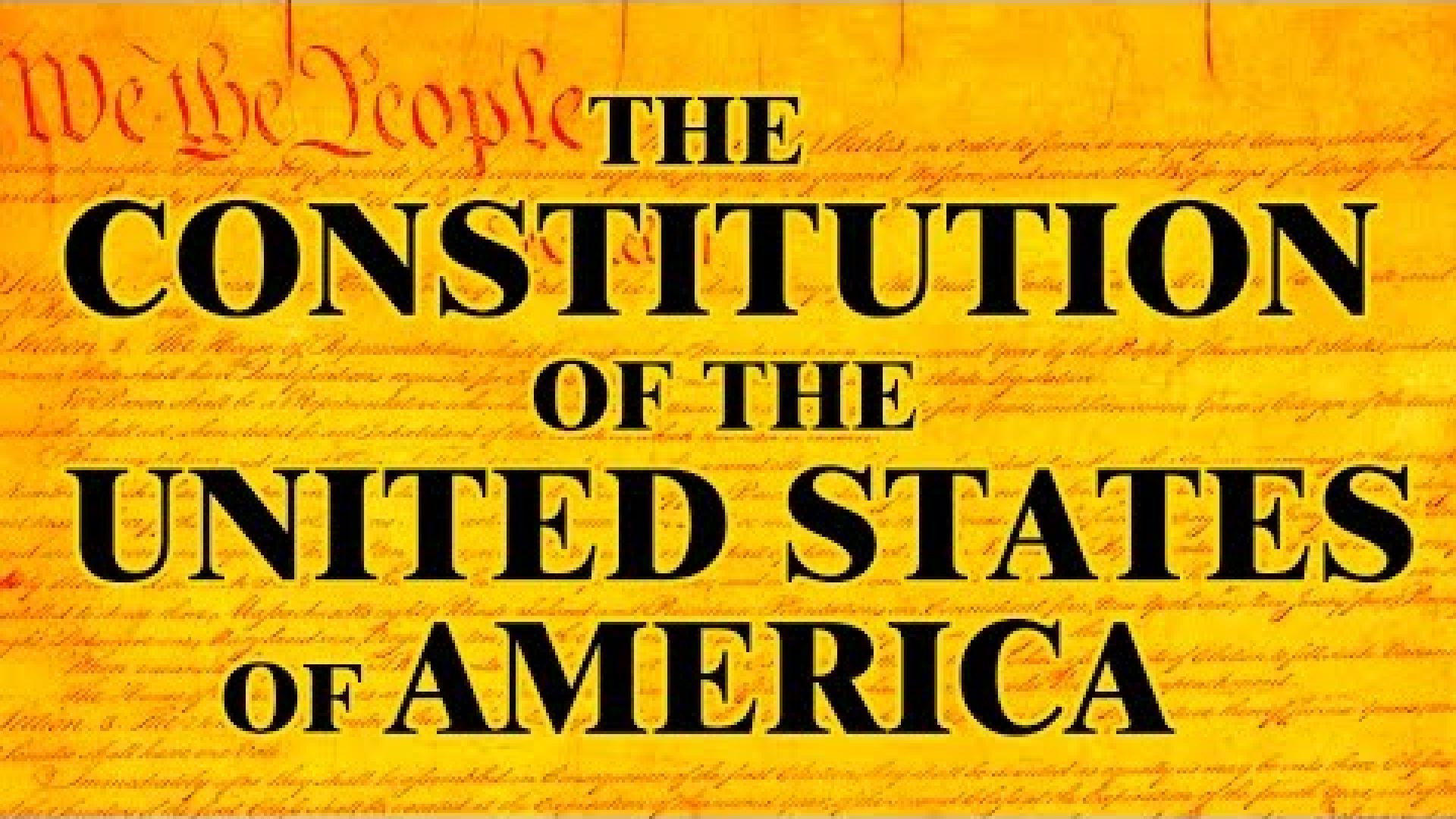
The United States Constitution is the supreme law of the United States of America. The Constitution, originally comprising seven articles, delineates the national frame of government. Its first three articles entrench the doctrine of the separation of powers, whereby the federal government is divided into three branches: the legislative, consisting of the bicameral Congress; the executive, consisting of the President; and the judicial, consisting of the Supreme Court and other federal courts. Articles Four, Five and Six entrench concepts of federalism, describing the rights and responsibilities of state governments and of the states in relationship to the federal government. Article Seven establishes the procedure subsequently used by the thirteen States to ratify it.
Since the Constitution came into force in 1789, it has been amended twenty-seven times. In general, the first ten amendments, known collectively as the Bill of Rights, offer specific protections of individual liberty and justice and place restrictions on the powers of government. The majority of the seventeen later amendments expand individual civil rights protections. Others address issues related to federal authority or modify government processes and procedures. Amendments to the United States Constitution, unlike ones made to many constitutions world-wide, are appended to the end of the document. At seven articles and twenty-seven amendments, it is the shortest written constitution in force. All five pages of the original U.S. Constitution are written on parchment.
The Constitution is interpreted, supplemented, and implemented by a large body of constitutional law. The Constitution of the United States is the first constitution of its kind, adopted by the people's representatives for an expansive nation; and it has influenced the constitutions of other nations.
Learn the meaning of the Constitution and the principles of American government in Hillsdale’s most popular online course, “Constitution 101: The Meaning and History of the Constitution.” Enroll today at: https://online.hillsdale.edu/landing/...
The United States Constitution was designed to secure the natural rights proclaimed in the Declaration of Independence. Signed by Constitutional Convention delegates on September 17, 1787—Constitution Day—it was ratified by the American people and remains the most enduring and successful constitution in history. This course examines the political theory of the American Founding and subsequent challenges to that theory throughout American history.
Learn the meaning of the Constitution and the principles of American government in this new version of Hillsdale's most popular course.
The form of government prescribed by the Constitution is based on the timeless principles of the Declaration of Independence. These two documents establish the formal and final causes of the United States and make possible the freedom that is the birthright of all Americans.
Learn the meaning of the Constitution and the principles of American government in this new version of Hillsdale's most popular course. Visit hillsdale.edu/con101 to begin your course today.
The principle of equality—which means no person may rule over another without his consent—is central to the political theory of the American Founding. Not only did it justify the Revolution, it also led to the creation of a government whose purpose is securing the natural rights of its citizens.